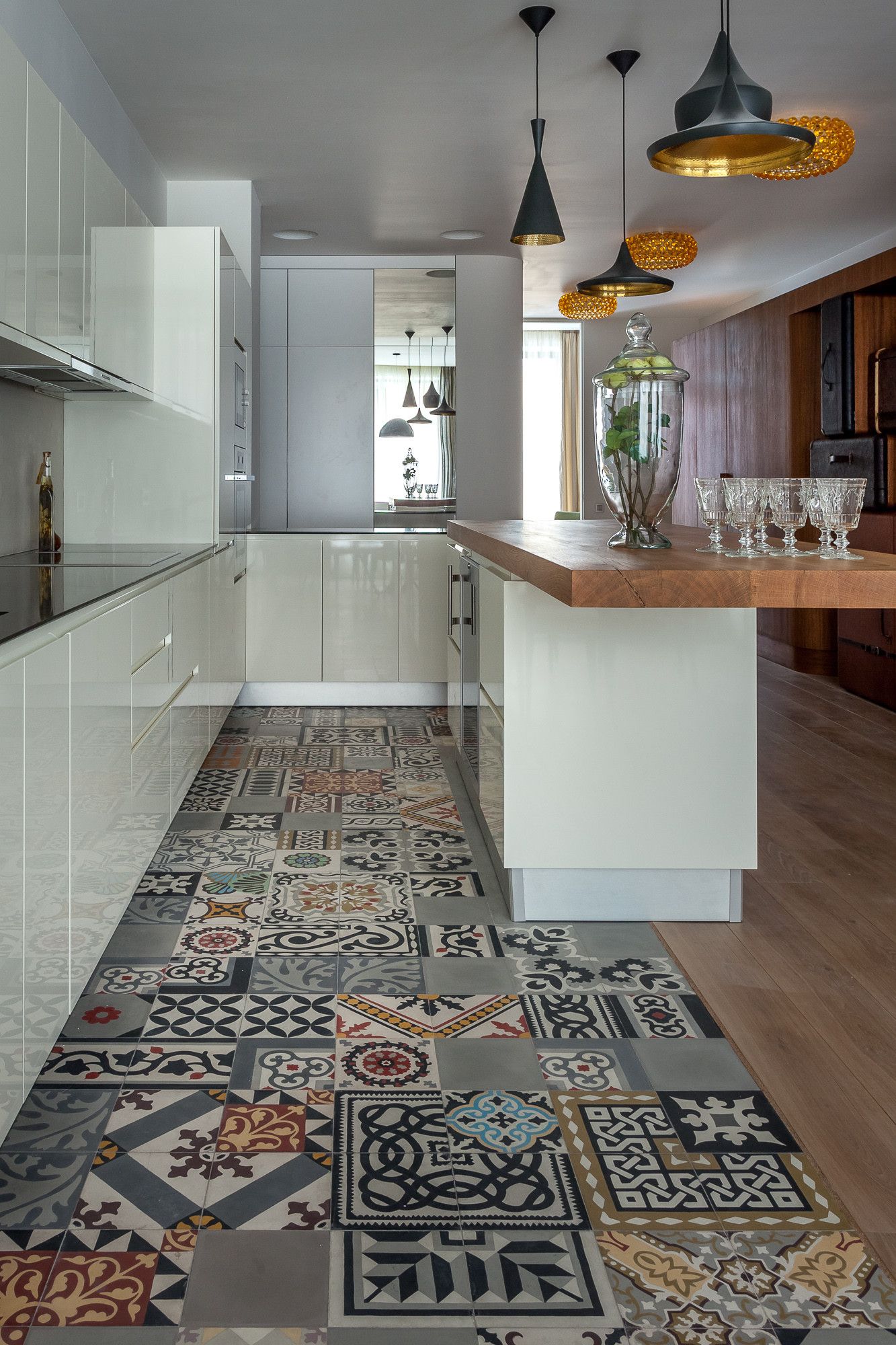

Kitchen tile flooring are more than just functional surfaces - they shape the pump of any home, blending durability with aesthetical appeal. Whether you're renovating a pocket-sized kitchen or designing a opulent culinary infinite, choose the correct tile can transform day-to-day life. These flooring result endure spill, foot traffic, and frequent cleaning while offering endless blueprint theory. From greco-roman ceramic form to modern porcelain finis, kitchen tile floors serve both practical needs and personal fashion. See the types, facility methods, and maintenance of tile floors invest homeowner to do informed choices that terminal.
Types of Kitchen Tile Floors
Take the ideal kitchen tile floor get with recognizing the diverse options useable. Each type offers unique benefits suited to different lifestyles and plan penchant:
- Ceramic Tile: Affordable and widely useable, ceramic tiles come in countless colors and textures. Their matte finish resists water easily but may show wear over clip.
- Porcelain Tile: Know for superior concentration and water resistance, porcelain tiles mime stone or wood while volunteer outstanding durability. Their glassy surface is easy to clean and highly stain-resistant.
- Mosaic Tile: Small, decorative pieces create intricate pattern hone for backsplashes or accent areas. Though fragile, they add visual warmth and spell.
- Glassful Tiles: Ruminative and luminous, glassful tile wreak a modern, sleek look. They act attractively in open kitchen but require careful sealing to prevent moisture harm.
- Natural Stone Tiles: Marble, granite, and travertine deliver timeless elegance. While voluptuous, they demand veritable sealing and maintenance to protect against stains and etch.
| Tile Case | Strength | Water Impedance | Alimony | Best For |
|---|---|---|---|---|
| Ceramic | Medium | High | Low | Budget-conscious kitchens |
| Porcelain | Very Eminent | Exceptional | Minimal | High-traffic, mod designing |
| Mosaic | Low-Medium | Moderate | Moderate | Accent walls, backsplashes |
| Glass | Medium | Low (demand sealant) | Regular cleaning | Contemporary, open kitchens |
| Natural Stone | High (with care) | Variable (varies by rock) | Frequent waterproofing command | Luxury, argument spaces |
Always tax your kitchen's environment - high humidity, frequent spills, and heavy footstep influence tile execution and longevity.
Choosing the correct material depends on equilibrise aesthetics, budget, and real-world usage. Porcelain ofttimes demonstrate cost-effective over time due to its resiliency, while natural stone lend last stunner with proper care.
Preparation Before Installation
Proper preparation is essential for a durable kitchen tile base. Skipping this form risks uneven surface, tile failure, or premature wear. Follow these key steps:
- Clean the subfloor thoroughly - remove dust, filth, and detritus to guarantee strong adhesion.
- Level the surface use self-leveling compound or mastic to obviate dip and bumps.
- Mark layout lines to plan tile alignment and minimize waste.
- Establish a wet roadblock if the kitchen has mute conditions, particularly near sinkhole or dishwasher.
- Cut tiles cautiously with a wet saw or tile carver, follow maker guidelines to avoid chipping.
A well-prepared understructure forbid future cracks and ensures tile stay securely in spot.
Installation Techniques
Install kitchen tile flooring require precision and patience. Whether apply adhesive or dry-laying methods, attention to detail ensures a professional cultivation:
For adhesive facility:
- Apply thinset mortar equally with a erose trowel, ensuring consistent depth (typically 1/16 to 1/8 inch).
- Place each tile firm, weigh to procure, and align grout line uniformly.
- Use spacers between tiles to maintain yet grout width - usually 1/16 in.
- Wipe surplus grout forthwith with a damp sponge to avoid maculation.
For dry-lay or pebble style proficiency:
- Lay tiles loosely to try pattern symmetry before committing.
- Secure with adhesive just after corroborate alliance.
- Sealskin grout lines readily to prevent moisture insight.
Let adhesive cure fully - typically 24 - 48 hours - before walk on the floor to debar damage.
Grouting and Finishing Touches
Once tiles are set, grout complete the story's strength and appearance. Grout stamp spread, hides imperfections, and enhances slip opposition:
- Select grout case based on exposure: raw for wide articulatio (> 1/8 inch), sanded for narrow-minded gaps.
- Mix grout to smoothen eubstance, deflect lumps for yet coating.
- Apply grout with a rubber float, pressing into juncture at a 45-degree slant to remove air bubbles.
- Wipe nimiety grout with a damp cloth while wet, then light thoroughly after 15 - 30 minutes.
- Countenance grout to heal fully (24 - 72 hours) before seal or heavy use.
Sealing grout protects against mold and mildew, especially in humid kitchen.
Veritable cleaning with pH-neutral cleaners conserve tile sheen and grout integrity.
Kitchen tile floors unite functionality with endless designing potentiality. With careful selection, precise installing, and ongoing care, these surfaces turn brave foundations of daily life - resilient, beautiful, and deeply personal.
Related Footing:
- ceramic tile for kitchen flooring
- ornamental kitchen level tile
- lowe's kitchen flooring tile
- kitchen with porcelain tile story
- ceramic tile kitchen floor pattern
- kitchen story tiles abode entrepot