<article> <p>In the evolving landscape of modern home design, achieving flawless finishes is no longer a luxury—it’s an expectation. Among the most critical yet often overlooked elements is *perfect stenciling on floors*, a technique that elevates interior spaces with precision and elegance. Whether you're renovating a contemporary living room or designing a sleek minimalist hallway, mastering the art of floor stenciling transforms plain surfaces into statement features. This process blends creativity with technical skill, turning ordinary concrete, wood, or tile into a canvas of refined patterns and subtle textures. From choosing the right stencil to executing clean lines, every step contributes to a polished, professional look that enhances both aesthetics and ambiance.</p> <h2>Understanding the Role of Perfect Stenciling in Modern Flooring</h2> Perfect stenciling on floors serves more than decorative purposes—it defines space, guides movement, and reflects attention to detail. In modern homes, where clean lines and intentional design dominate, stencils act as visual anchors that harmonize with architectural elements. They can highlight entryways, outline seating zones, or create rhythmic patterns across large expanses. Unlike temporary decor, well-executed stenciling becomes a lasting feature, contributing to the home’s identity. The benefits extend beyond appearance: <table style="width: 100%; border-collapse: collapse; margin-top: 1rem;"> <thead> <tr> <th>Benefit</th> <th>Description</th> </tr> </thead> <tbody> <tr> <td>Enhanced Visual Depth</td> <td>Stencils introduce contrast and texture, making flat floors appear dynamic and layered.</td> </tr> <tr> <td>Customization Without Permanence</td> <td>Unlike paint or adhesive decals, stencils allow reversible, adjustable designs—ideal for renters or frequent redesigns.</td> </tr> <tr> <td>Architectural Harmony</td> <td>Patterns align with ceiling lines, wall treatments, and furniture arrangements, creating cohesive interiors.</td> </tr> <tr> <td>Durability and Maintenance</td> <td>High-quality stenciled finishes resist wear and are easy to clean, maintaining appearance over time.</td> </tr> </tbody> </table> Choosing the right stencil pattern depends on the home’s style—geometric shapes suit industrial lofts, while organic motifs complement Scandinavian interiors. The key is balancing complexity with practicality to ensure the design supports daily life without compromising beauty. <h2>Step-by-Step Guide to Perfect Stenciling a Floor</h2> Achieving professional results requires careful preparation and methodical execution. Follow these essential steps to ensure your stenciling project turns out seamless and enduring. <ul> <li><strong>Prepare the Surface:</strong> Clean the floor thoroughly to remove dust, grease, and debris. Repair cracks or uneven areas with filler and sand smooth. A level surface prevents misalignment and ensures clean stencil edges.</li> <li><strong>Mark Guidelines:</strong> Use chalk or painter’s tape to outline the stencil area. For symmetry and alignment, measure and mark center lines or reference points, especially for large patterns.</li> <li><strong>Select Appropriate Tools:</strong> Choose a stencil compatible with your floor type—plastic for tile, vinyl for wood, fabric for concrete. Use a stencil brush or stencil applicator with fine edges to prevent ink bleed and maintain crisp lines.</li> <li><strong>Apply Stencil Carefully:</strong> Place the stencil firmly on the floor, aligning it precisely with your guidelines. Lightly press down to secure without distorting the pattern. Secure corners with tape if needed, but avoid pressure that could shift the stencil mid-application.</li> <li><strong>Fill with Precision:</strong> Use a stencil pen, sponge, or small brush to apply floor paint or epoxy. Work slowly, filling each section evenly to avoid drips. For multi-color designs, allow drying time between layers to prevent smudging.</li> <li><strong>Remove with Care:</strong> Once dry, gently lift the stencil straight up at a 45-degree angle. If residue remains, use a damp cloth or mild cleaner—never abrasive tools that risk damaging the finish.</li> <li><strong>Seal and Protect:</strong> Apply a clear protective coating to enhance durability and ease maintenance. This step preserves the stencil’s integrity against foot traffic and spills.</li> </ul> <p class="pro-note">Note: Always test stenciling on a small, inconspicuous area first to assess paint adhesion and pattern clarity before committing to full installation.</p> <h2>Choosing Materials That Last</p> The success of perfect stenciling hinges on selecting high-quality materials suited to both the floor type and desired finish. For concrete floors, epoxy-based paints offer superior hardness and resistance to scratches, ideal for high-traffic zones. Wood floors benefit from water-based acrylics that minimize moisture damage and warping risks. Vinyl surfaces respond well to UV-stable stains that retain vibrancy under sunlight. When selecting stencils, opt for durable materials like rigid plastic or reinforced fabric—avoid flimsy paper stencils that tear easily. Pair stencils with quality brushes or stencil applicators designed for even paint distribution, ensuring consistent line width and sharp edges. <p class="pro-note">Note: Proper ventilation during application prevents fume buildup, especially when using solvent-based products—always work in well-aired spaces and wear protective gear.</p> Many homeowners underestimate the importance of surface preparation, assuming a clean floor is sufficient. Yet, even minor imperfections can distort stencil alignment, leading to uneven fills and compromised aesthetics. Taking time to level, clean, and prime ensures the stencil adheres correctly and maintains its shape through daily use. <h2>The Art of Pattern Selection and Design Integration</h2> Choosing the right pattern transforms a simple floor into a focal point. Minimalist grids suit contemporary spaces, while bold geometric shapes add energy to open-concept living areas. Organic curves or nature-inspired motifs bring warmth to minimalist interiors, creating visual balance. Consider scale carefully: large patterns work best in spacious rooms to avoid overwhelming small areas, while smaller details enhance intimate spaces. Mixing textures—such as matte fills with glossy accents—adds depth without clutter. Aligning stencils with existing architectural features strengthens cohesion. For example, mirroring ceiling molding lines or echoing wall panel spacing creates continuity. This thoughtful integration ensures the floor complements rather than competes with surrounding design elements. <h2>Final Touches and Long-Term Care</h2> Once stenciling is complete, inspect the floor under different lighting to check for inconsistencies. Touch up any missed spots with touch-up paint to maintain uniformity. Regular cleaning with pH-neutral floor cleaners preserves the finish and prevents discoloration. Periodically reseal the area to protect against moisture and wear, especially in kitchens or bathrooms. With proper care, perfectly stenciled floors remain a lasting investment, enhancing both function and beauty for years to come. Perfect stenciling on floors is more than a technique—it’s a commitment to craftsmanship and timeless design. By combining precise planning, quality materials, and skilled execution, homeowners transform their spaces into elegant, personalized environments where every detail tells a story. </article> Perfect Stenciling A Floor For Modern Homes
 By Ashley
Perfect Stenciling A Floor For Modern Homes
Floor

Floor

Floor

Floor

Floor

Floor

Floor

Floor

Floor
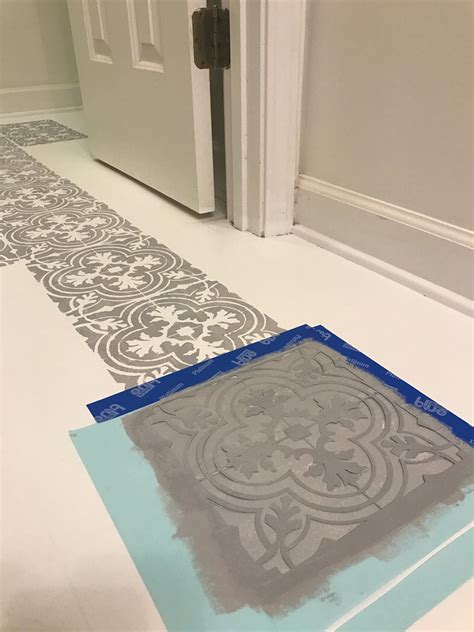
Floor

Floor

Floor

Floor

Floor
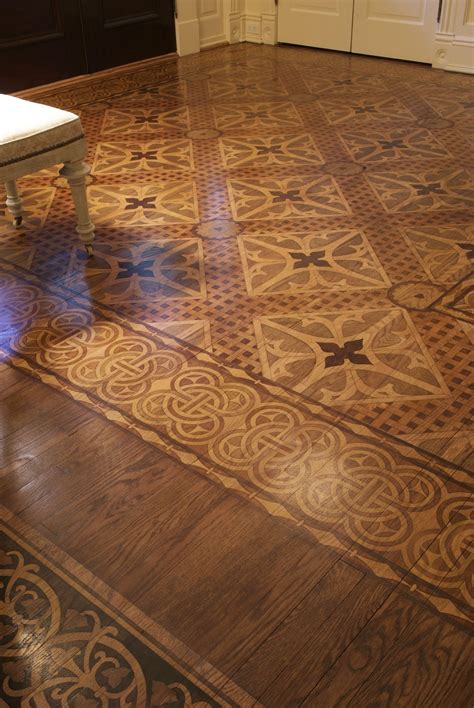
Floor

Floor

Floor

Floor

Floor

Floor

Floor

Floor

Floor

Floor

Floor

Floor

Written by
Ashley