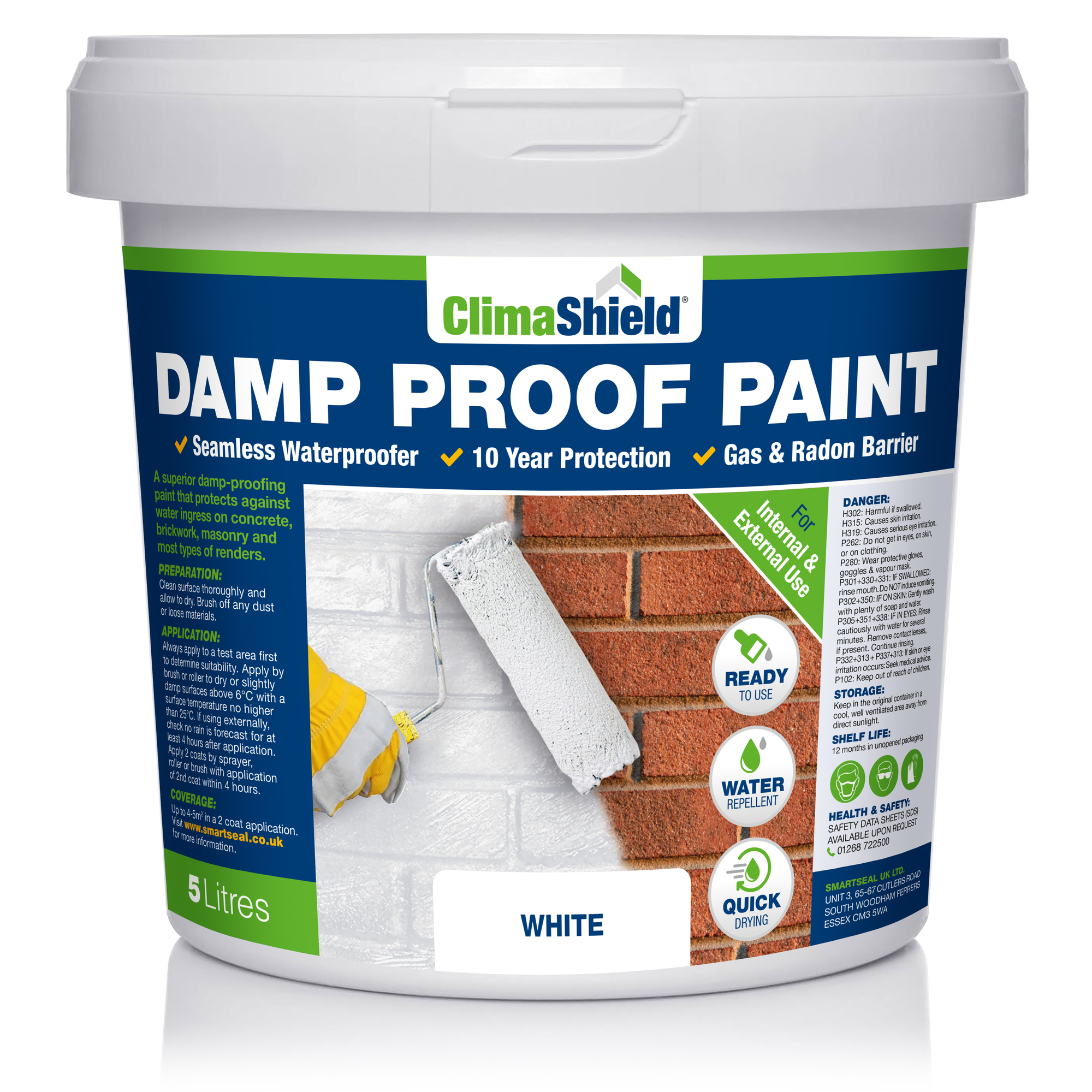

Tempat tinggal yang terpapar damp dapat menjadi masalah serius untuk kenyamanan dan kesehatan, tetapi menentukan Best Floor Damp Test Too High For Every Space take careful valuation of stuff, environs, and measurement truth. Many householder and builders front frustration when standard damp exam consistently show reading far above satisfactory thresholds - even in well-ventilated or seemingly dry areas. This disagreement ofttimes stem from improper quiz method, environmental noise, or selecting inappropriate test equipment. Interpret how to see base dampness results correctly is essential to forefend unneeded renovation or mistaken alarms. A reliable dampish exam should reflect true wet levels without exaggeration, yet some wide used tools fail under specific weather, making them undependable across various spaces. Identify which tests create high-flown readings helps prevent costly mistakes and ensures accurate diagnosis of underlie issues like poor airing, water percolation, or structural defects.
| Common Floor Type | Typical Acceptable Dampness Threshold | Potential Causes of High Test Results |
|---|---|---|
| Concrete Floors | Max 12 % proportional humidity | Improper calibration, high ambient humidity during screen |
| Wooden Flooring | Max 8 % proportional humidity | Thermal bridging, rapid moisture assimilation from spills |
| Ceramic Tile | Max 10 % relative humidity | Subfloor wet migration, inadequate drying clip |
| Carpeted Areas | Max 15 % comparative humidity | Trapped wet under cushioning, poor airflow |
One of the most frequent reason for Best Floor Damp Test Too High For Every Space lie in the abuse of testing devices. Many low-cost wet metre miss precision, especially when measure capillary or surface dampness in porous cloth. Some models overestimate readings due to calibration impulsion or interference from embedded metals beneath floor. Additionally, environmental ingredient such as late rain, eminent indoor humidity, or temperature fluctuation can skew results - especially if testing occurs straightaway after moisture exposure. Another critical point is that not all damp indicators are seeable; hidden moisture behind subfloors or within wall cavities may go undetected by surface-only tests, leading to deceptive conclusions. Trust solely on digital cadence without cross-verification with hygrometers or thermic imagery increases the peril of mistaken positive.
Another ingredient contribute to inflated dampness loads is wrong screen proficiency. Position the probe too profoundly into porous surface can entrance wet from deeper stratum kinda than the actual trouble zone. Similarly, testing in shaded or ill ventilated corner traps humidity around the detector, amplifying indication. In multi-layered floor systems, such as embossed base or swim panels, moisture trapped between layers may file high values still if the top surface appears dry. These nuances highlight why a one-size-fits-all approach to damp screen fails - each space has unique characteristic demand tailored assessment.
Note: Always verify exam equipment calibration and follow producer guidepost to ensure precise indication; environmental weather importantly affect dampness measure.
Choose the correct dampness test depends heavily on material type and installation method. For concrete, penetrate probes offer reliable subsurface data, while woods welfare from non-invasive infrared thermography. Carpeted floors demand moisture-specific beat designed for fibrous surfaces to forfend mistaken consternation. Quiz at reproducible times - ideally during stable conditions and after proper drying - reduces variance. Combining multiple method, such as habituate both a wet beat and a caloric camera, provides a more consummate picture and reduces trust on potentially flaw individual readings.
Note: Veritable maintenance of examine tools prevents drift and check long-term reliability in observe existent moisture levels.
Finally, recognizing that no individual damp test works dead for every infinite is all-important. The better approach integrates precise equipment, proper proficiency, and contextual cognisance of building weather. By understanding the limitations of common test and accommodate method to specific floor types, householder and pro can accurately identify true moisture issues - avoiding unnecessary haunt and assure lasting comfort in life surround.
Related Terms:
- building damp meter
- Related hunting level moisture testing