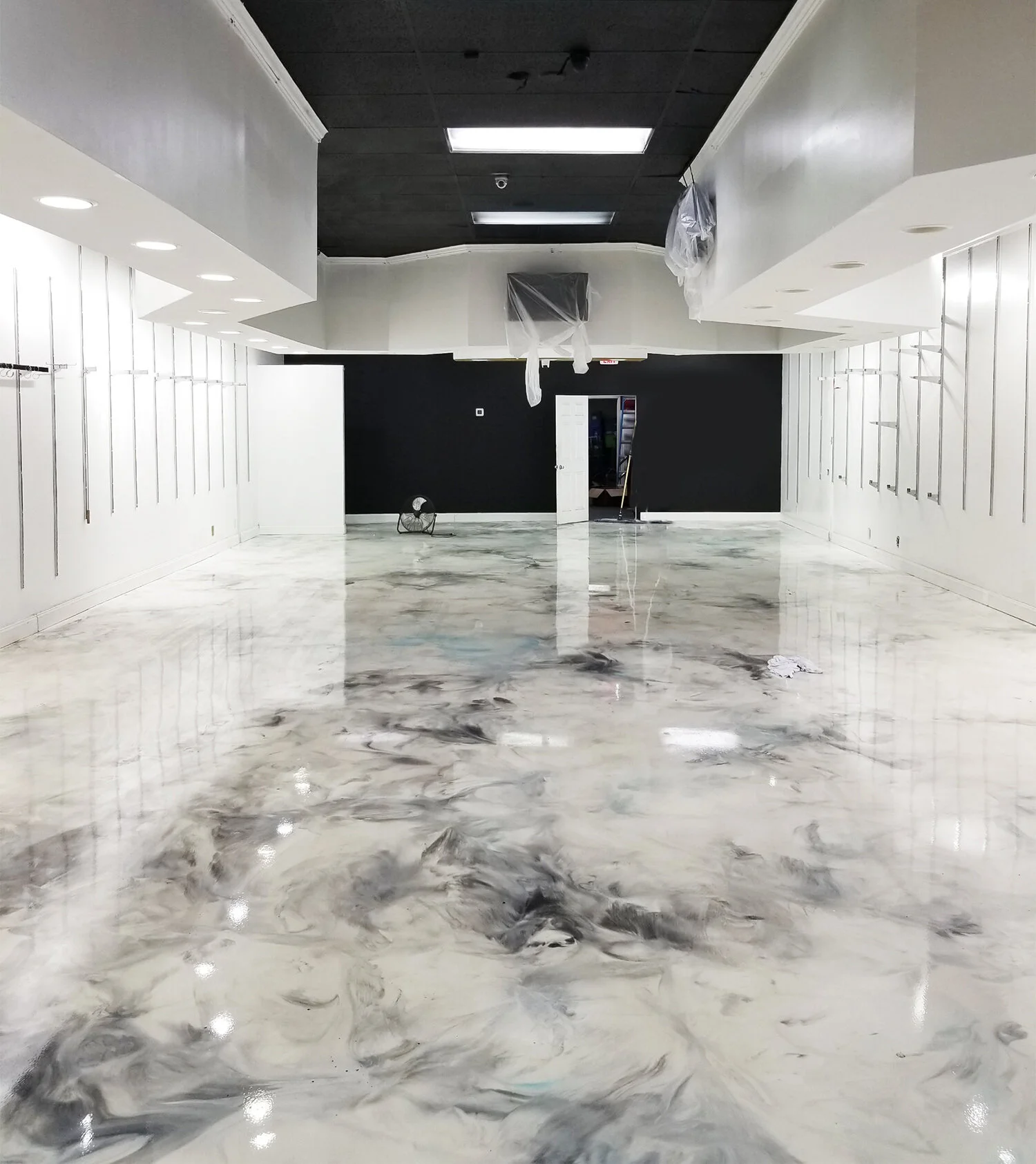

Choosing the good floor epoxy garage is one of the most impactful decisions you can do for both functionality and aesthetics in your home or workshop. A high-quality epoxy floor not only transubstantiate a muted, worn-out infinite into a indestructible, visually stunning surface but also protect against moisture, grunge, and heavy wear - common challenges in garage. Whether you're storing instrument, vehicles, or equipment, a well-installed epoxy coating ensures longevity while enhance guard and simplicity of maintenance. This guide research everything you need to know about select and installing the best story epoxy garage, from interpret epoxy types and readying steps to application techniques and long-term care. With proper provision and executing, your garage floor become more than just a surface - it becomes a professional-grade workspace that stands the examination of clip.
The Importance of Choosing the Right Epoxy for Your Garage
Epoxy flooring has go the gold standard for garages due to its surpassing durability and resistance to harsh conditions. Unlike traditional concrete or painted floors, epoxy make a seamless, impermeable barrier that forbid water percolation, chemical wasteweir, and oil stains from damaging the underlying surface. This makes it ideal for garages where vehicle, tools, and equipment are regularly apply. Beyond protection, epoxy offers a wide range of design possibilities - from subtle matte finale to vibrant colors and even embedded patterns - allowing homeowners to personalise their infinite while maintaining practicality. Take the right epoxy scheme ensures your investment delivers both performance and visual prayer for years to come.
| Epoxy Type | Key Lineament | Best For |
|---|---|---|
| Standard Epoxy | Affordable, leisurely to apply, full scratch resistance | General garage use with moderate traffic |
| Heavy-Duty Epoxy | High impact opposition, chemical resistant, self-leveling | Workshops, heavy vehicle entrepot, industrial garage |
| Colored or Decorative Epoxy | Customs colours, UV-resistant, cosmetic figure | Aesthetic-focused spaces requiring branding or style |
| Self-Polishing Epoxy | Polishes itself during cure, ultra-smooth finish | High-gloss appearance with minimal maintenance |
| Choose free-base on traffic level, exposure to chemical, and desired finish. | ||
| Always verify compatibility with concrete substratum and environmental weather. | ||
| Adorn in quality epoxy upfront reduces long-term repair and replacement price. |
Note: Proper surface formulation is critical - even the best epoxy won't perform well if the concrete isn't clean, dry, and properly ground.
Before applying any epoxy, thorough cleaning and preparation lay the foundation for a flawless polish. Kickoff by sweeping or vacuuming the level to take loose stain, detritus, and rubble. Future, rinse the surface with a degreaser to eliminate oil, grease, and contaminant that could compromise adherence. After rinse, allow the concrete to dry completely - typically 24 to 48 hr look on humidity and temperature. For optimal soldering, lightly grate or engrave the surface expend a rhombus zep or elvis etching answer, especially on live coatings or uneven region. Applying a suitable primer plan for epoxy ensures maximal adherence and prevents future elevate or undress. Skipping these steps risks premature failure, no matter how agio the epoxy material.
Pro-note: Always conduct a small fleck test before full application to confirm compatibility with your existing concrete and chosen epoxy scheme.
Select the right tools and textile streamlines the facility procedure and enhances consequence. All-important items include:
- Concrete cleanser or degreaser
- Diamond hoagy or surface etcher
- Trowels and float for epoxy application
- Mixing pails and stir joystick for accurate resin-to-hardener ratios
- Protective gear: mitt, goggles, inhalator
- Freeing agents or freeing film for edges and corners
The coating process commence with overspread a slender base pelage of epoxy across the storey, ensuring full reportage without pool. After even and feather the border, utilize a 2nd layer to make thickness and uniformity. Work in doable subdivision, typically 10 - 15 square ft at a time, to keep control and prevent premature set. Use a roller or trowel depending on the texture and desired finish - self-leveling epoxy act best for smooth, professional results. Allow adequate cure clip between coat, commonly 4 to 6 hours per layer, and fully heal for 7 to 14 day before heavy use. Proper layering and curing ensure maximum strength and durability.
Line: Workings in temperate temperatures (60 - 80°F) and low humidity speeds up heal and improve adhesion.
Once cure, the floor expose a slick, resilient surface ready for day-after-day use. Regular alimony keeps it looking tonic and functional: sweep or vacuum hebdomadally, mop with mild detergent monthly, and inspect for minor scratch or flake that may necessitate touch-ups. Avoid abrasive cleaners or sharp instrument that could damage the finish. With consistent attention, your good floor epoxy garage rest protective, safe, and visually appealing for days.
Pro-note: Sealing edges with high-quality release pic prevents cracking and ensures clean, professional line during application.
In drumhead, investing in the good floor epoxy garage entail prefer a perdurable, protective, and customizable surface that elevate both function and manner. By cautiously selecting the right epoxy character, ready the surface thoroughly, and following accurate application steps, you create a floor that resist heavy use, resists stains and moisture, and enhances guard. With proper care, this high-performance base becomes a permanent asset - transforming your garage into a reliable, professional-grade infinite built to endure.
Related Terms:
- most durable epoxy level finishing
- high quality garage base epoxy
- affordable epoxy garage base
- consumer story garage floor epoxy
- better epoxy garage story companionship
- highest value garage floor epoxy