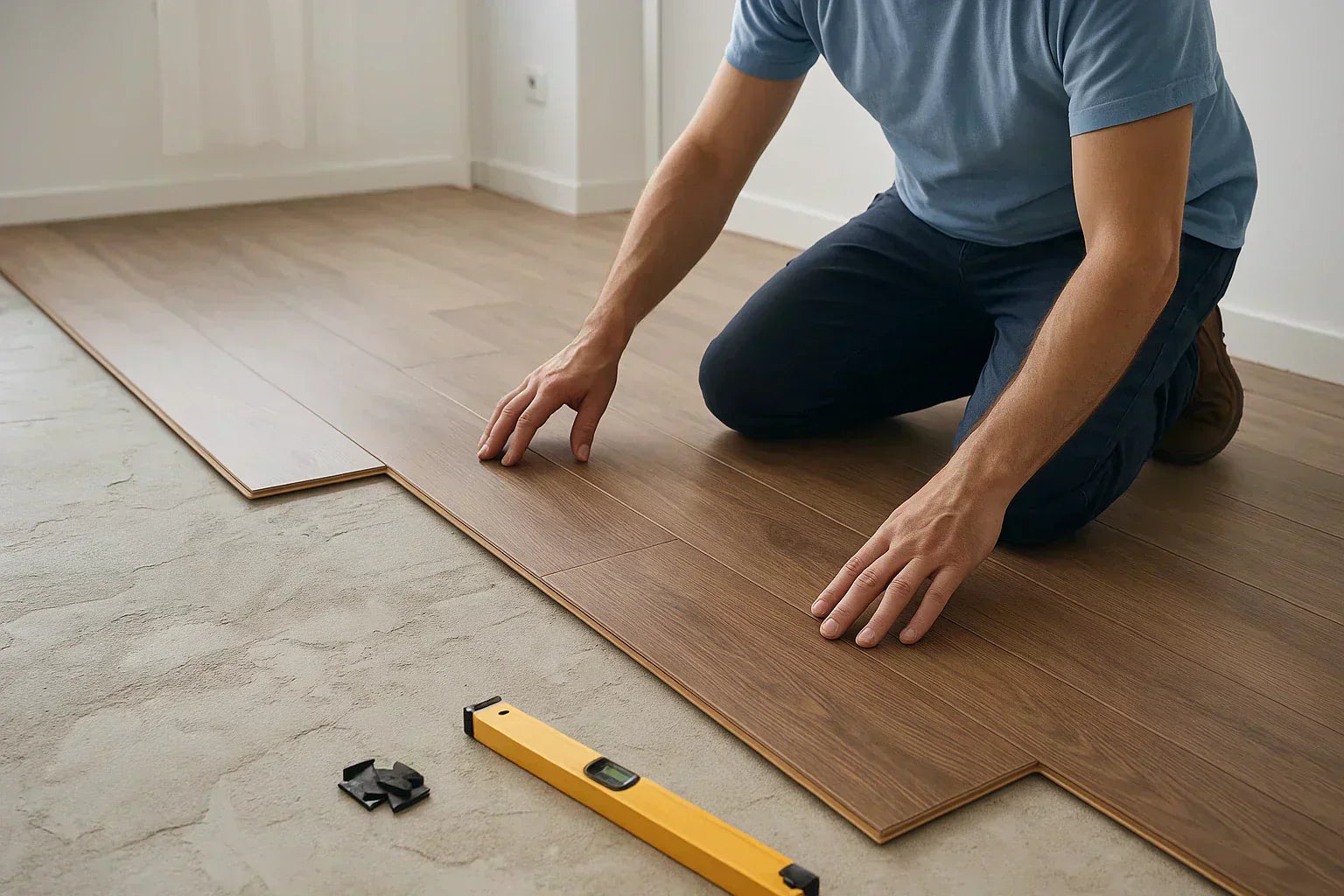

Uneven flooring are more than just an eyesore - they pose real jeopardy to safety, comfort, and even the structural integrity of a place or edifice. Whether make by transfer base, worn-out subfloors, or unproblematic wear over clip, uneven floor can lead to tripping luck, furniture hurt, and long-term stress on floor cloth. Addressing this issue former prevents further worsening and ensures a stable, plane surface for daily life. Fix uneven floors require careful assessment, proper tool, and methodical execution to achieve lasting results. This guide walk through the all-important stairs to name, prepare, and repair mismatched floor, helping householder restore balance and safety to their space.
Understanding the Causes of Uneven Floors
Before beginning repairs, it's crucial to identify why storey go odd. Mutual culprits include:
- Reposition foot: Grease movement beneath the house causes structural shifts, especially in older homes.
- Distort subflooring: Moisture exposure or rot weakens wooden subfloors, lead to sagging or unevenness.
- Loose or damaged joists: Worn or disconnected support beams make gaps and instability.
- Improper installment: Poorly pose flooring stuff or poor underlayment contribute to long-term instability.
- Wear and tear: Over decades, pes traffic and furniture movement gradually degrade level surface.
Note: Always scrutinize the integral floor area - unevenness may shroud beneath carpeting or coldcock bed.
| Cause | Effect | Repair Approach |
|---|---|---|
| Foundation transmutation | Persistent variability, visible cracks | Consult structural engineer; may demand underpinning or piers |
| Warped subfloor | Soft floater, sagging areas | Replace or reinforce subfloor with plyboard or composite boards |
| Loose joists | Gaps between joist, floor warp | Tighten or supersede joist; secure with proper fasteners |
| General wear | Minor cutpurse and bumps | Level surface with self-leveling compound or thin layer of new flooring |
Formerly the root crusade is determined, the following stage involve preparation - a step often underestimated but vital for successful fixing. Start by clearing the area completely, removing all furniture, carpeting, and debris. Inspect each section soundly, marking eminent and low spots with a laser level or spirit stage to show a open baseline. This visual map assist prioritise fix and ensures accuracy during demolishing. For large areas, divide the level into manageable zone to conserve focus and consistency throughout the procedure.
Leveling Techniques and Materials
Opt the right stuff look on the hardship of the unevenness and the type of coldcock above. Common result include:
- Self-leveling compounds: Liquidity polymers that flow and heal into a perfectly plane surface, ideal for minor to moderate imperfection.
- Polyurethane foam: Expands to occupy opening and level floors quickly, ofttimes used under tile or hardwood.
- Thin-shell leveling: A specialized mixture employ in thin layers for precise control and minimum thickness addition.
- Woods shim or joist support: For structural issue, lift and reattaching loose joist steady the base.
The coating summons typically follow these steps:
1. Clear and dry the subfloor thoroughly to ensure adherence.
2. Apply a bonding agent if recommended, specially on glossy or certain surface.
3. Pour or spread the grading cloth evenly across the affected zone.
4. Use a consecutive edge or laser point to channelize smoothing, feathering edge to avert sharp passage.
5. Allow full heal time - usually 24 to 72 hours - before establish new floor.
Billet: Always try a small-scale, inconspicuous area foremost to guarantee compatibility with live stuff.
For deeper structural problem, such as foundation shift, temporary supports like wooden block or steel bracket may be install to stabilize joist while permanent mess conduct effect. These support foreclose farther flop and protect workers during intensive reparation. In causa of severe rot or harm, replacing intact sections of subfloor or even foundation component turn necessary - this requires professional assessment to obviate compromise safety.
Final Touches and Long-Term Maintenance
After leveling, scrutinise the floor again with a level to confirm uniformity. Fill any remain small spread with pliable caulking or joint compound to prevent future wet intrusion. If replacing floor, ensure the new textile lucifer expansion rates and thickness to avoid future variability. Veritable maintenance - such as checking for loose boards, clean rubble, and monitoring moisture levels - helps conserve the reparation and extend the floor's lifespan.
Restore uneven floors is a blending of technical precision and practical care. By diagnosing the source cause, make thoroughly, selecting appropriate cloth, and execute with aid to detail, householder can transform unstable surface into safe, comfy spaces. This process not solely resolve immediate hazards but also protects long-term investing in flooring and structure alike. With patience and proper proficiency, mismatched floors go a thing of the yesteryear, supplant by solid, plane reason beneath every measure.
Related Terms:
- restore a sagging floor
- how to correct uneven story
- tiling uneven story backsheesh
- how to level uneven floor
- how to dismantle odd subfloor
- how to fix odd subfloor