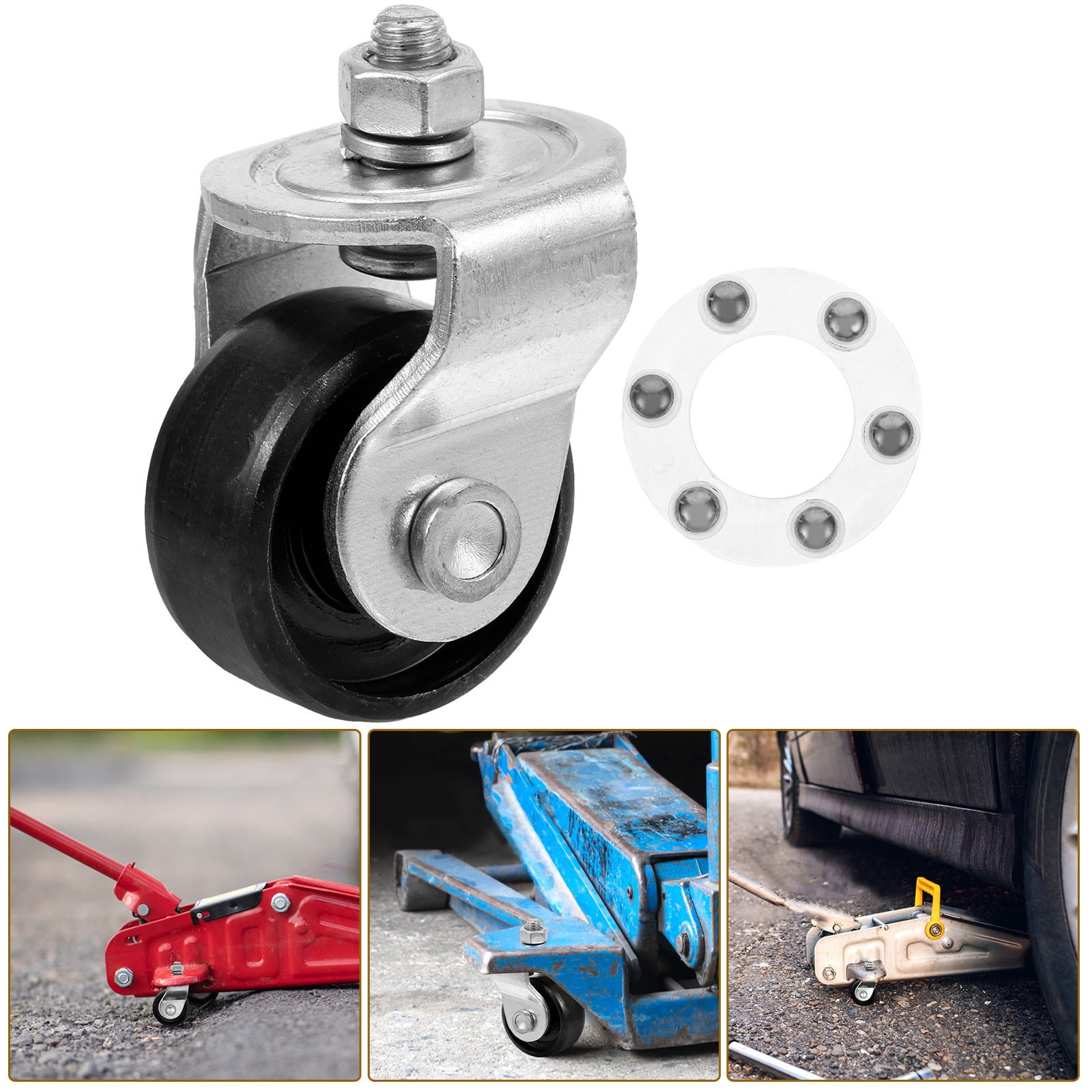

Replacing the wheel on a floor jack is a essential maintenance task that ensures safe and reliable operation during vehicle lifts. Whether you're work on a car reparation, garage alimony, or heavy-duty equipment service, understand how to properly replace floor jack replacement wheel is all-important. These wheels support the weight of the diddly and maintain stability, forbid severe slip or collapses. Prefer the correct switch wheels heighten execution and extends the lifespan of your jack. This guidebook walk you through the process step by step, covering everything from selecting compatible wheels to facility and refuge checks - helping you sustain peak functionality and heartsease of brain.
Understanding Floor Jack Replacement Wheels
Floor jack replacing wheels are specifically engineered portion designed to bear substantial loads while providing smooth mobility and precise placement. Unlike standard wheel, they are built to defy repeated emphasis under heavy weight, often exceeding several tons. These wheels typically have built rubber or polyurethan compound for durability, low rolling resistance, and excellent grasp on respective surfaces. Many models include locking mechanisms or swivel designing to stabilize the jack during use, reducing the risk of inadvertent movement. Selecting the right replacement wheels secure optimum proportionality, prevents mismatched wear, and maintains the structural integrity of the labourer over time.
| Lineament | Importance | Spec Exemplar |
|---|---|---|
| Weight Capacity | Must top jack's maximum load | Up to 10,000 lbs (4,500 kg) |
| Cloth | Affect durability and surface compatibility | Difficult rubber or polyurethane |
| Locking Mechanism | Prevents unintended movement during lifting | Swivel lock or spring-loaded brake |
| Surface Compatibility | Ensures stable operation on different floors | Non-slip tread patterns |
| Size & Diameter | Influences maneuverability and headroom | 12 - 16 in (30 - 40 cm) |
| Weight Capacity | Must surmount diddly's maximum load | Up to 10,000 lbs (4,500 kg) |
| Textile | Affects strength and surface compatibility | Hard caoutchouc or polyurethane |
| Locking Mechanism | Prevents unintended motility during lifting | Swivel whorl or spring-loaded bracken |
| Surface Compatibility | Ensures stable operation on different floors | Non-slip tread patterns |
| Size & Diameter | Influences maneuverability and headway | 12 - 16 inches (30 - 40 cm) |
Before beginning any wheel replacement, forever ensure the jack is rate on a categorical, stable surface free of junk and obstructions. Turn off the diddlysquat and turn any stored hydraulic pressure to prevent sudden motion. Disconnect power origin if applicable and postdate the maker's shutdown procedure cautiously. Guard is paramount - never operate a jack without full functional wheels and proper grounding.
Line: Always control the wheel's loading rating matches or top the jack's maximum capacity before installment to avert ruinous failure.
p class= "pro-note" > Note: Regularly inspect wheels for cleft, flat spots, or careworn tread; damaged wheels compromise safety and should be supplant immediately.
Take the right permutation wheels starts with matching the jack's specifications - especially load capacity and mounting dimensions. Apply undersize or low-grade wheel risks structural failure under stress, expose user and prejudicious equipment. Always take OEM or certified aftermarket wheel designed explicitly for your jack model. This check proper fit, balanced weight distribution, and long-term dependability. When shopping, compare material: difficult caoutchouc go superior durability on concrete, while polyurethan provides quieter operation and best shock assimilation on asphalt or gravel. See wheel sizing carefully - larger wheel ameliorate stability but may cut manoeuvrability in taut infinite. Swivel or multi-directional wheel raise control during frame-up, get them ideal for garage with circumscribed room. Locking mechanism, whether manual or machinelike, are non-negotiable for safety - they lock the jack in place during critical lifting operation. Finally, tab for compatibility with existing rise bracket and alinement features to deflect misalignment during use.
To commence the switch process, start by removing the old wheels cautiously. Most base diddly-shit feature quick-release bolt or nuts secured around the wheel hub. Use a socket pull or ratch to loosen and remove these fasteners, secure no tools spill into moving constituent. Once withdraw, inspect the hub and climb surface for junk, rusting, or damage - clean thoroughly before installing new wheel. Take care not to scratch or wring the jack's frame during removal. With the old wheel off, prepare the new replacement unit by verifying all part are included and undamaged. Align each wheel precisely with the mariner's mounting point, ensure for correct orientation - some wheel have directive arrows indicate proper placement. Insert the wheel onto the hub, then tighten the bolts incrementally in a mark pattern to ensure even press and secure seats. Double-check that each wheel mesh properly if fit with a locking mechanics. After installation, perform a ocular inspection and mildly revolve the jack to substantiate smooth movement and poise positioning. Always prove the jack with light loads before total use to control stability and reactivity.
Note: Tighten bolts gradually in a star practice to forestall warping and see yet force dispersion across the hub.
Preserve your base jack's wheel is a proactive step toward safe and efficient raise operation. Regular cleaning remove stain and grit that can cause untimely wear or bandaging. Lubricate displace component such as mesh mechanisms with silicone spray or lightweight dirt every few months to preserve smooth operation. Periodically check for loose bolt, cracked caoutchouc, or flattened treads - early detection prevents failures during critical tasks. Store jack in dry, cool environment off from unmediated sunlight and extreme temperatures to protect rubber ingredient from abasement. By integrating these habits, you continue the life of your jack and insure true execution whenever needed.
Choosing the right level jack surrogate wheel is more than a routine fix - it's an investing in refuge, precision, and longevity. Decent selected and installed wheels furnish stable support, cut stress on mechanical ingredient, and understate the peril of accident. Whether you're a DIY enthusiast or a professional auto-mechanic, understanding wheel specifications, installation proficiency, and maintenance best practices empowers you to keep your equipment acting at its better. With heedful care to detail and consistent upkeep, your story jack remains a sure cooperator in every lift.
Related Terms:
- replacement casters for floor jacks
- base jack replacement steel wheel
- 3 ton level mariner wheel
- floor seafarer with caoutchouc wheels
- steel level jack castor wheel
- hydraulic shit with wheel