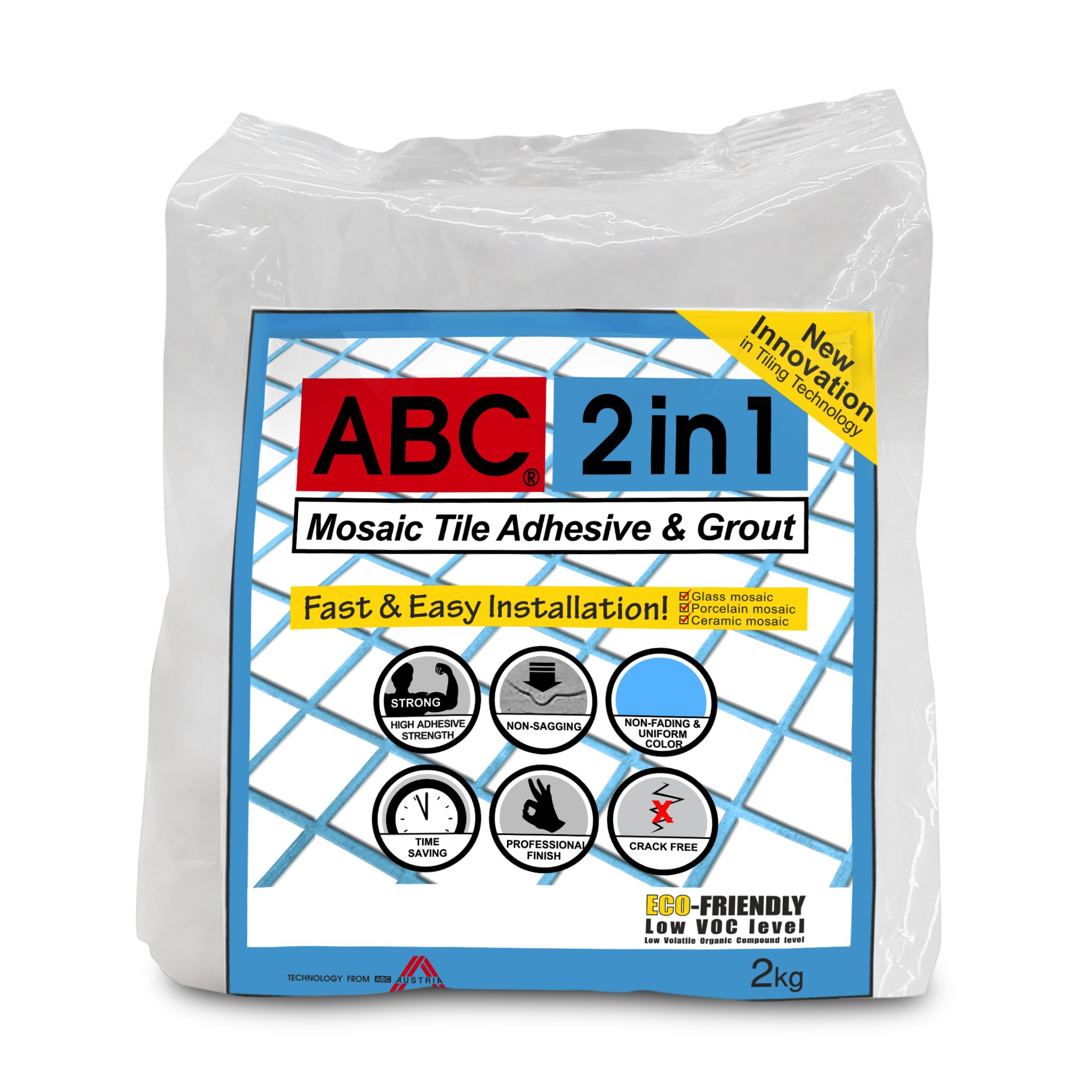

Glue for tile flooring plays a vital part in ensuring durable, long-lasting installations that defy daily wear and teardrop. Whether you're repose ceramic, porcelain, or natural rock tile, select the right adhesive is indispensable for proper soldering and preventing future issues like snap, elevate, or water damage. Unlike bare howitzer or dry-laying method, modern tile glues - often cite to as glue for tile flooring - are engineered to provide potent, elastic adhesion while accommodating flimsy movements in subfloors. This guide explores everything you need to cognise about choosing, applying, and conserve the best mucilage for tile floors, aid you achieve professional effect in residential and commercial space alike.
Understanding Glue for Tile Floors: What Makes It Special?
Glue for tile floors differs importantly from standard expression adhesive due to its specialized expression. These glues are design to alliance tiles securely to various substrates - concrete, plywood, or even existing tile layers - while resisting wet, temperature fluctuations, and mechanical accent. Key feature include:
- High Bond Strength: Ensures tiles stay firmly attached yet under heavy foot traffic or impact loads.
- Tractability: Accommodates minor substrate move without cracking or losing adherence.
- Water Resistance: Critical for lav, kitchens, and outdoor country where wet exposure is constant.
- Quick Setting Time: Reduces facility delays and speeds up task timeline.
- Ease of Covering: Many products arrive with self-leveling recipe or trowel-friendly body for smoother workflow.
Unlike canonic cement-based mixing, mod tile adhesives much incorporate polymers and additives that enhance execution, making them indispensable for both DIY enthusiasts and professional installers.
| Adhesive Eccentric | Key Benefits | Best For |
|---|---|---|
| Epoxy-Based Glue | Special strength, chemical resistance, and tractability | Bathrooms, commercial-grade kitchen, high-moisture zone |
| Polymer-Modified Cement Adhesive | Strong bond, cost-effective, leisurely to work with | Residential tile floors, new builds |
| Thin-set Mortar (modified) | Good tractability, moderate strength, versatile substrate compatibility | General-purpose base tiling, light to medium traffic |
Glue for tile floors must match both the tile cloth and installation environment to ensure longevity and safety.
Choosing the right adhesive depends on various component: the type of tile (porcelain, ceramic, rock), the underlie surface (concrete, wood, plyboard), and environmental conditions (humidity, temperature swings). for instance, natural stone tiles involve highly elastic adhesive due to their density and weight, while porcelain tile benefit from thin-set mortar with controlled shoplifting properties.
It's also crucial to consider the subfloor condition - any crack, unevenness, or wet must be speak before covering. A properly prepared base ensures the mucilage performs as mean, reducing risks of delamination or tile failure over time.
Step-by-Step Guide to Applying Glue for Tile Floors
Applying glue for tile floor correctly is fundamental to achieving a flawless finish. Follow these indispensable steps to maximize adherence and strength:
- Prepare the Subfloor: Clean the surface thoroughly to take dust, oil, and loose molecule. Mending cracks or uneven region using appropriate patching compound.
- Ensure Proper Ventilation and Temperature Control: Ideal act weather are between 10°C and 30°C with humidity below 80 %. Utmost weather can involve curing time and bond force.
- Select the Right Glue: Choose an adhesive formulated specifically for tile floors based on tile type and surroundings, as discussed sooner.
- Mix the Adhesive Correctly: Follow manufacturer education precisely - over-mixing or under-mixing compromise execution. Use clean creature and avoid contamination.
- Apply the Glue Evenly: Propagate the adhesive with a trowel or notch trowel, preserve consistent thickness - typically 3 - 6 mm for most tile application. Smooth surface prevent air pockets.
- Employment in Pocket-size Section: Apply alone plenty glue to cover the region you'll tile next to preserve novelty and optimal scene clip.
- Lay Tiles with Care: Press each tile firmly into place, align edges and checking levelness forthwith. Use spacers for uniform grout line.
- Allow Proper Curing Time: Let the adhesive set fully - usually 24 hours - before applying grout or walk on the base. Avoid heavy oodles during this period.
Always wear glove and a mask when handling adhesive to protect skin and lungs - some expression contain potent chemicals.
Employ a quality glue for tile flooring not alone simplify installation but also prevents costly repair down the line. Proper covering ensures tile remain untroubled through age of use, resisting shifts have by settle, caloric expansion, or accidental impingement.
Maintenance and Troubleshooting Tips
Even with perfect instalment, ongoing care helps maintain the unity of tile story stick with high-performance glue. Regular cleansing with modest detergent and h2o keeps surface safe from grime buildup that could weaken adhesion over decades. Avoid scratchy cleaners or sharp tools that might rub tile surfaces or cheapen the adhesive stratum.
If tiles elevate or break appear, inspect for wet intrusion or substrate instability - issues oft associate to improper readying or environmental changes. In such event, reapplying adhesive with reinforcement engagement or consulting a professional may be necessary. For grout line, occasional resealing protects against h2o insight, especially in wet country like lav or basements.
Line: Other catching of tile motion or adhesive failure countenance timely intervention, run the lifespan of your flooring investing.
Veritable review every few months facilitate catch minor trouble before they intensify, ensure your tile floor remains safe, attractive, and structurally sound for age.
Glue for tile floors is far more than a elementary adhesive - it's the foundation of a long-lasting, professional installation. By understanding the types useable, applying them right, and maintaining the surface thoughtfully, householder and builder alike can achieve seamless, long-lasting results. Whether for a kitchen backsplash or a grand bath, investing in the right gum and following best pattern secure your tile base stands strong through time and use.
Prefer the appropriate mucilage for tile floors combine technological noesis with pragmatic concern, transform a simple flooring task into a durable betterment. With measured pick and proper technique, still beginners can attain results that rival expert workmanship, making every step worthwhile in creating beautiful, resilient spaces.
Related Price:
- mucilage on bathroom paries tile
- good mucilage for bathroom tile
- using glue on ceramic tiles
- flexible waterproof level tile adhesive
- best adhesive for floor tiles
- best glue for tile base