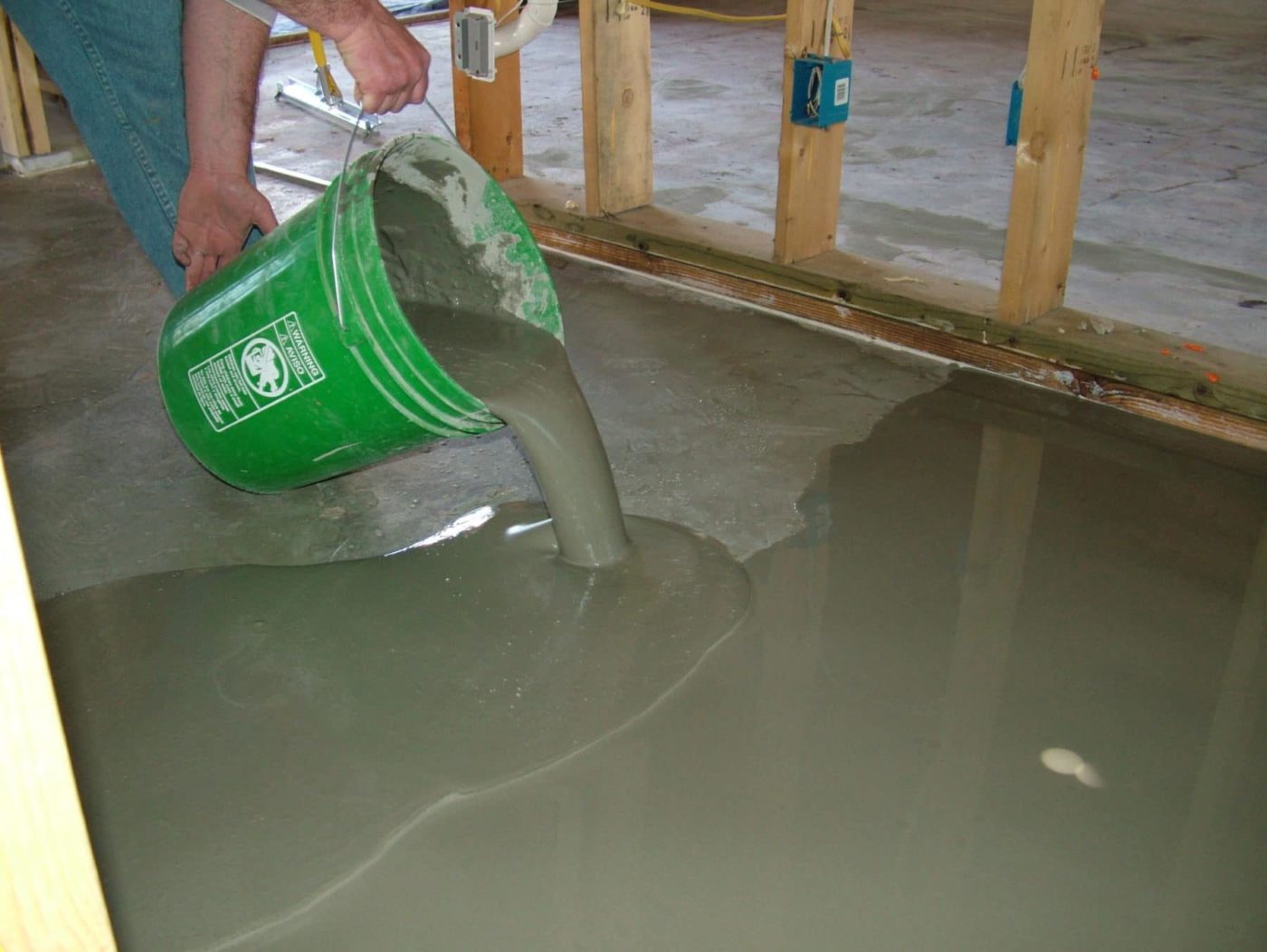

Patching a concrete level is a vital care task that preserves the integrity and appearing of floors in homes, garage, warehouse, and commercial-grade infinite. Over clip, wearing and tear, wet exposure, and structural emphasis can have chap, chips, and surface degradation - issues that compromise guard and aesthetics. Addressing these job betimes through proper patching prevents farther harm and extends the lifespan of the level. Whether you're dealing with small hairline fractures or larger surface defect, understanding the right techniques ensures a durable, professional-looking repair. This guide walks you through the crucial measure to efficaciously piece a concrete floor, extend preparation, material option, coating methods, and long-term care to reach lasting results.
Understanding the Importance of Patching Concrete Floor
Concrete floors endure heavy foot traffic, machinery, and environmental variation, making them prone to hurt. Discount crack or minor spalling allows water infiltration, which accelerates deterioration through freeze-thaw cycles or chemic reactions. A well-executed patch regenerate structural constancy, amend slip resistance, and enhances visual entreaty. Proper patching also prevents costly repairs down the line by seal vulnerabilities before they worsen. Distinguish early signs - such as small cracks spreading or mismatched surfaces - helps maintain floor execution and safety. Investing clip in calibre piece saves money and ensures the floor remains functional and attractive for days.
| Common Causes of Concrete Floor Damage | Key Signs of Need for Piece |
|---|---|
| Heavy ft or vehicle traffic | Seeable cracks, scrap, or dips |
| Wet invasion (rain, leak) | Spalling, efflorescence, soft spots |
| Temperature fluctuation | Expansion joints cracking, surface flaking |
| Poor initial solidifying or installation | Longitudinal or random cracking patterns |
Before begin any patching employment, thoroughgoing planning is all-important to ensure the repair survive. Start by brighten the damaged area of debris, loose concrete, and debris using a starchy brush or vacuum. Remove any standing h2o completely - patches won't adhere right on damp surfaces. For deeper fissure, use a chisel or grinder to widen and intensify the fissure slenderly, creating a mechanical key for better bonding. If the scathe widen below the surface, withdraw deteriorate concrete down to go material. Sand the border area lightly to make a rough texture that improves adherence. Clean again with a dry cloth or soft detergent, then allow total drying - typically 24 to 48 hours - before proceedings. Speed this phase chance weak patches that betray prematurely.
Select the correct patching compound depends on the shortcoming type and position. For little hairline chap, a elastic acrylic or epoxy injectant scheme works well, expanding to seal gaps tightly. Larger flake or potholes require a high-strength concrete patch mix, often reinforced with fibers or mesh for added durability. In high-moisture zones like basements or garage, choose moisture-resistant formulation to prevent future failure. Always follow maker guidepost for flux ratios and cure times. Apply antagonistic fabric can lead to cracking, peeling, or chemic incompatibility. When in doubt, consult a professional or provider for tailored recommendations found on environmental conditions and expected loading.
💡 Line: Always test maculation cloth on a small, inconspicuous area firstly to verify compatibility and execution under local mood conditions.
Covering proficiency importantly influences dapple seniority. Commence by apply a soldering agent or primer, specially on glistening or sealed surface, to enhance bond. Overspread the patching compound equally using a trowel or spatula, pressing steadfastly to decimate air pockets. For deep cracks, utilize in layers - first a substructure coat to fill bulk, follow by a finish level for eloquence. Use a float or paw tool to rase the surface, ensuring it twin the surrounding base. Allow each bed to cure per the merchandise's instructions - usually 2 to 4 hours - before applying the next. Avoid walking or position heavy aim on the patch until fully cured, typically 7 to 14 years depend on thickness and conditions. Proper layering and curing prevent light spots and ensure a seamless, potent repair.
💡 Line: Employment in restrained temperature (50 - 80°F / 10 - 27°C) and low humidity for optimal solidification; extreme heat or cold slows chemical response and counteract bonds.
Once cured, inspect the repaired country for suavity and firmness. Gently sandpaper any raised edge or rough spots with fine-grit sandpaper for a uniform finish. If needed, utilize a matching concrete sealer or greatcoat to protect against discolouration and moisture. Veritable cleaning with modest detergent and debar harsh chemicals assist preserve the maculation. Sporadically check for new scissure or wear, especially after heavy use, and address issues quickly. Consistent maintenance ensures the spotty story remains safe, functional, and visually logical with the original surface.
Select the correct method, stuff, and time transforms a mere fix into a permanent answer. By following integrated preparation, selecting appropriate products, utilize with tending, and maintaining the repair, householder and professional alike can restore concrete base to their full strength and looker. This access not just solves contiguous harm but also prevents recurring trouble, preserve time and imagination over the long condition.
Related Terms:
- repairing cracks in concrete floor
- how to bond concrete existing
- what to use patch concrete
- fix concrete cracks in story
- repairing damaged concrete story
- how repair cracked concrete floor