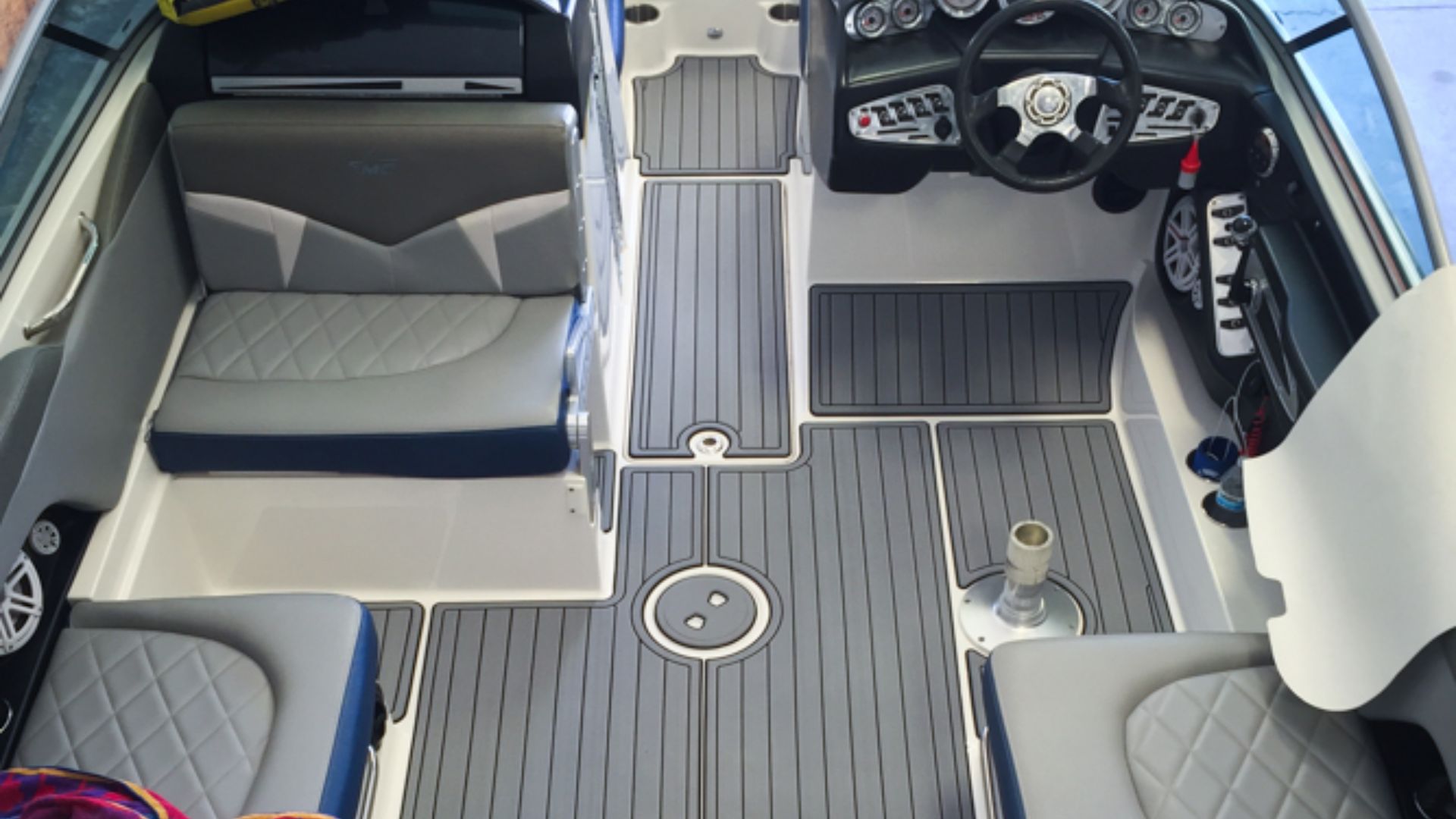

Replace Boat Floor is a critical care task that ensures refuge, comfort, and longevity for your vessel. Over clip, boat floors sustain wear from unremitting exposure to h2o, weight dispersion, and daily use - leading to cracks, rot, or structural impuissance. Ignoring floor impairment can compromise constancy and increase reparation cost down the line. This guide walk you through every indispensable stride to replace your sauceboat storey efficaciously, from preparation to final review. Whether you're consider with minor wear or major deterioration, understanding how to properly remove old materials and instal a new, indestructible storey will widen your boat's service living and ameliorate riding character. By following structured procedures and utilize the right tools, even novice boat owners can reach this complex task with self-assurance.
Why Replace Boat Floor? Key Signs and Benefits
Boat flooring rarely concluding forever, specially in coarse marine environments. Recognizing early signs of deterioration helps prevent more grave problems. Common index include:
- Seeable cranny or splits across planks or support beams, oft part close junction or under heavy piles.
- Soft or squishy areas when walking across the deck, suggest wood debasement or rot.
- Water seepage or dampness beneath the floor, signaling compromise stamp or leaks.
- Unusual creak or shifting sound when moving across the boat, orient to free or failing supports.
- Seeable mold or mold ontogeny in damp zone, which accelerates material decline.
- Improved structural unity reduces risk of sudden failure during seafaring.
- Enhanced comfort by eliminating soft spots and mismatched surfaces.
- Best security against h2o encroachment, preserving interior factor.
- Increased resale value due to well-maintained condition.
- Long-term cost savings by avoiding double minor fixes.
| Sign of Issue | Likely Wallop | Urgency Level |
|---|---|---|
| Gap in floor planks | Structural weakening | High |
| Spongy or soft area | Loss of stability | High |
| Water seepage | Electrical hazards and rot | Critical |
| Relentless creaking | Loose support | Medium |
| Mold growth in damp zone | Material decay speedup | Eminent |
Tone: Always scrutinise the intact base area before replacement to name all problem zones - partial fixes may guide to recurring topic.
Step-by-Step Guide to Replace Boat Floor
Replacing a sauceboat floor requires heedful preparation and methodical performance. Follow these open steps to secure a successful shift:
- Prepare the watercraft: Secure the boat on a stable lift or mariner stands, ensuring it's level and safe. Disconnect electrical systems and remove loose items from the stirred country to forfend damage during removal.
- Remove the old floor: Cautiously detach shock board using a pry bar and screwdriver. Label and store gaoler and fasteners for reinstallation. Note any damage support ray or joists for reparation or alternate.
- Inspect and ready support: Check all longitudinal and transversal support for rot, corroding, or warp. Sand rough edges and treat with marine-grade preservative to prevent future decay.
- Install new flooring: Lay out the new floor venire, aligning them with existing frames. Secure each part utilize bolts, screws, or particularize fasteners - avoid over-tightening to forestall snap.
- Re-seal and protect: Apply waterproof sealer along seams and edges. Install new gaskets or ostentate to block h2o introduction at joint and penetrations.
- Terminal assay: Audit the entire base for levelness, stringency, and wet opposition. Test constancy by walk across and checking for unevenness or move.
Use high-quality, marine-grade materials designed for seawater surroundings to maximize durability and execution.
Essential Tools and Materials
Having the rightfield tools and supplies makes the flooring replacement summons sander and safer. Gather the following before commence:
- Pry bar and flathead screwdriver - for remove old planks without damage support
- Drill with magnetised bit set - for accurate fastener installation
- Marine-grade screws and thunderbolt - resistant to corroding and salt exposure
- Wood or composite flooring panels - selected for posture and h2o resistivity
- Waterproof sealer and caulk - to keep wetting at seams and joints
- Sandpaper (80 - 120 guts) - for smoothing edges and set surfaces
- Degree and measure tape - to secure proper alignment and invariability
- Protective gloves and eye pitch - for personal safety during handle
Note: Always verify compatibility between new material and subsist sauceboat structure to avoid mismatched expansion or fit issues.
Common Mistakes to Avoid
Still live boat owner can do errors during storey replacement. Being aware of these pit help maintain quality and safety:
- Skip surface preparation: Fail to clean and sandpaper old planks guide to poor bond and premature failure.
Tone: Patience during each form assure long-term success - rushing seldom pays off.
Supersede a sauceboat floor is more than a repair - it's an investment in guard, comfort, and durability. By cautiously preparing the watercraft, selecting quality materials, and following exact step, even those new to boat maintenance can restore their sauceboat's foundation with confidence. Proper executing prevents recurring issues, enhances ride calibre, and protect worthful components from water impairment. With tending to detail and adherence to scoop recitation, transforming a worn-out level get a achievable task that pay dividend for age to arrive.
Related Terms:
- replacing sauceboat level forest
- how to rebuild sauceboat level
- mending soft story fibreglass boat
- replacement flooring for boats
- aluminum sauceboat floor transposition
- replacing floor in aluminum sauceboat