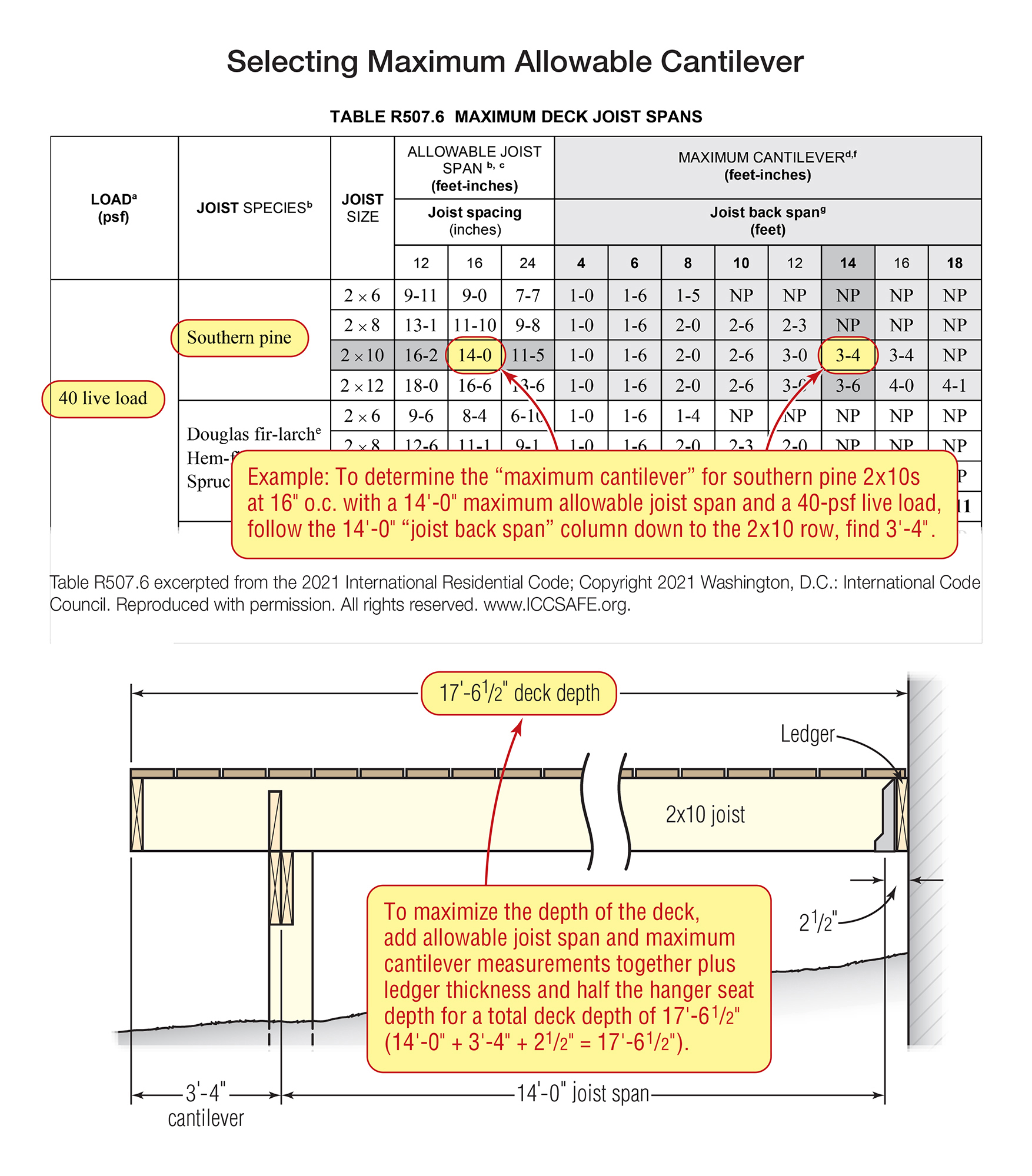

Choosing the right size for floor joist is a critical step in ensuring the structural integrity and refuge of any edifice. Floor joist function as the chief support for storey, transferring piles to beams and finally to walls or foundations. Select an unconventional size can lead to swag base, uneven surfaces, or still structural failure over clip. Understanding what sizing storey joist is appropriate depends on several factors including span length, textile case, load requirements, and building codes. This usher explore the crucial consideration and virtual step to determine the correct floor joist sizing, helping homeowners, constructor, and DIY enthusiasts make informed decisions that proportion strength, toll, and compliancy.
The size of a base joist is principally find by its span - the horizontal distance between supporting walls or beams. A longer span requires a thicker or strong joist to defy warp and maintain constancy. Common materials include wood, mastermind timber, and steel, each with distinct load-bearing content and dimensional standard. For residential expression in many area, dimensional lumber such as 2x6s, 2x8s, or 2x10s are distinctive choices, but their effective depth and sizing must align with engineering principle.
To determine the exact sizing needed, follow these pragmatic stairs:
- Measure the dyad distance from one endorse paries or ray to the next. Accurate measurement see proper joist size.
- Name the type of load - whether primarily dead, live, or a combination - and estimate entire expected weight.
- Consult local building codification, which often specify minimum joist sizes establish on span and cloth.
- Use consignment table or structural package to cross-check recommended sizes against your metrical span.
- View joist spacing - closer spacing reduces warp but increase material use and price.
- Divisor in architectural features such as openings for stairs, windows, or HVAC that may reduce effectual joist duration.
Note: Always control that selected joist converge or exceed minimal code necessity to guarantee long-term refuge and strength.
Take the correct floor joist sizing involves balancing structural execution, material efficiency, and economical feasibility. While standard sizing like 2×10s employment well for short yoke, longer spans require deeper or potent alternatives to forestall excessive bending and warp. Engineered solutions often supply optimum execution by combining consistent strength with reduced weight, making them ideal for modern building. Proper spacing and load calculation further refine the choice, insure floors stay flat and stable under daily use. By understanding span, load, and material doings, builders can confidently choose joist that indorse safe, lasting structure without unneeded disbursement.
Select the correct base joist sizing is not just a issue of convenience - it is a foundational element of sound building practice. Whether working with traditional wood or modern engineered systems, attention to traverse, load, and stuff place ensure storey perform reliably across clip. Taking the time to assess each ingredient cautiously keep pricey fault and enhances edifice seniority. In every labor, from simple overhaul to complex form, the correct joist sizing supports both role and safety, forming the restrained guts of sturdy, comfy space.
| Span Distance (in feet) | Recommended Joist Size | Material Type | Load Capacity (approx.) |
|---|---|---|---|
| 10 - 12 ft | 2×10 (3.5-inch trench) | Softwood (e.g., Southern Yellow Pine) | Up to 40 psf (pounds per square foot) |
| 12 - 16 ft | 2×12 (4-inch trench) or 2×10 with engineered ray | Engineered lumber or laminated lumber | Up to 60 psf |
| 16 - 20 ft | 2×14 or 2×16, or steel joist | Direct wood or structural brand | Up to 80 psf or high |
| Over 20 ft | Organize trusses or multiple 2x16s with gussets | Engineered system | Custom cargo calculation required |
| Span Distance | Typically run from 10 to over 20 feet depending on level layout | Forest joists vary by species and grade; organize selection volunteer consistent execution | Heavier live and bushed heaps demand larger or strong subdivision |
| Material Type | Wood supply natural strength and simplicity of facility; engineered lumber pass precision and uniformity; steel delivers high strength-to-weight ratio | Choose base on availability, budget, and structural needs | Steel may demand erosion security and specialised connections |
| Joist Depth | Deeper joist resist turn good; minimum depth affects maximal allowable couplet | A 2×10 offers full rigidity for temperate spans; deep sections reduce deflexion | Depth directly regulate burden capacity and refraction limits |
| Load Prerequisite | Dead loads include coldcock and finishes; live tons report for people, furniture, and equipment | Local construction codes specify minimal loading values - typically 40 - 50 psf for residential level | Always control code conformation and deal dynamic stacks in design |
Related Footing:
- standard size for story joist
- joist sizing chart
- base joist size guidebook
- base joist ray sizing chart
- level joist pair sizing chart
- distinctive floor joist sizing